Beginner guide: survive the Sun
Keep to shade, trust your ears, and persist your radio markers — most early deaths in RADIOSOL are the Sun's doing, not a creature's.
Your first death in RADIOSOL probably won't involve anything with teeth. It will be a strip of sunlight between two shadows, or a moment you spent reading the skyline instead of the ground. The game's whole survival loop runs on one idea from the store page — avoiding the scorching rays of the Sun — so this guide is organised around that, the systems that support it, and the habits that keep an expedition going.
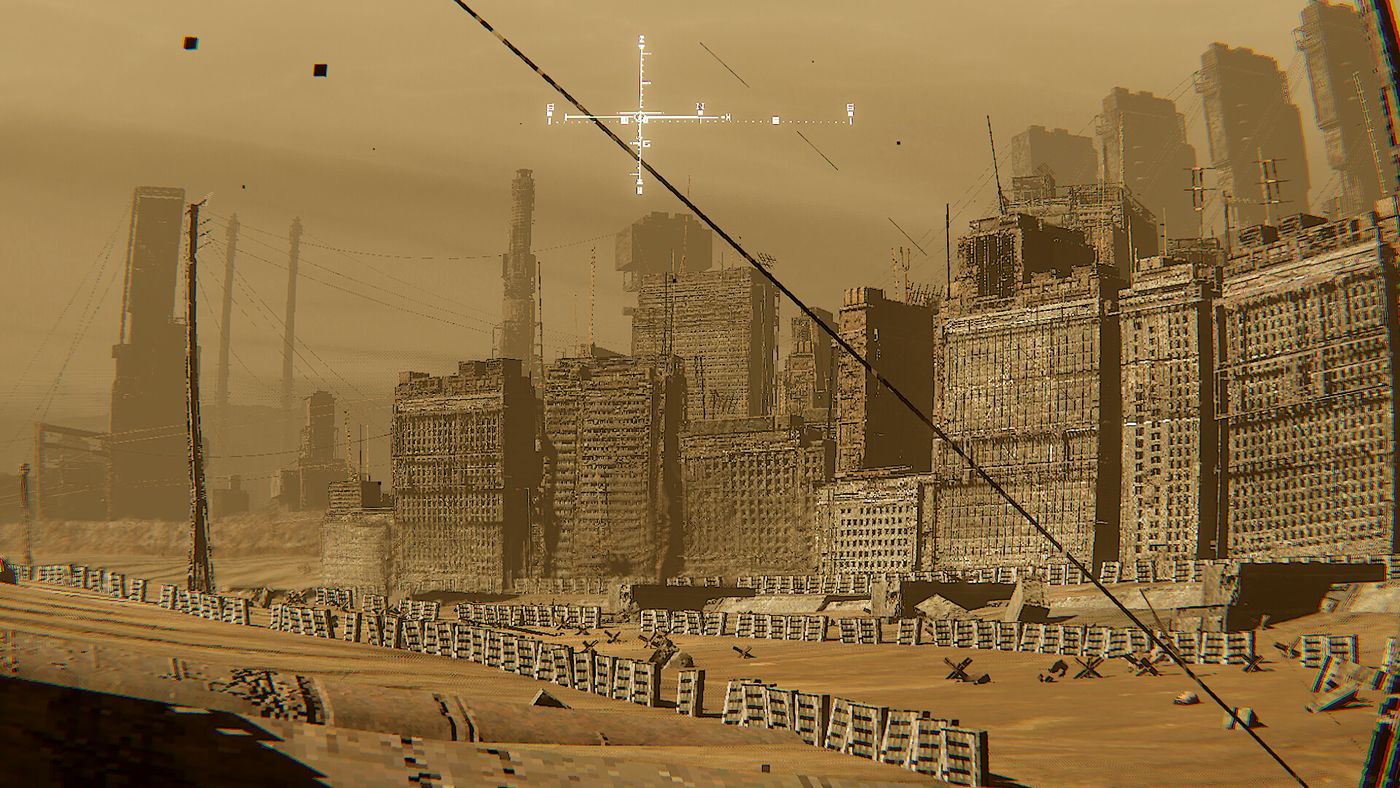
The world rewards patience: most of RADIOSOL is read before it is walked.
The Sun is the system that kills you
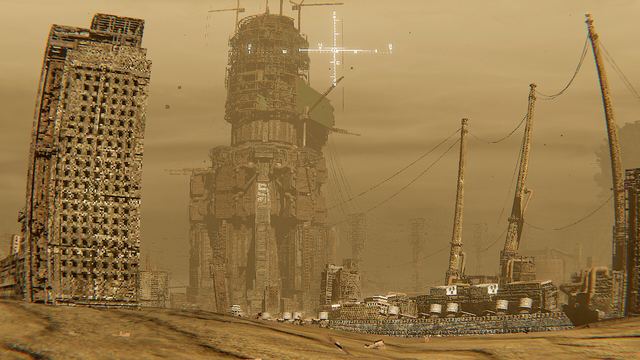
Everything else in the game is secondary to light. The teaser for RADIOSOL describes walking "through man-made valleys" where "only concrete mountains block the Sun" — and that sentence is a mechanics briefing as much as a mood piece. Shade is terrain. It is unevenly distributed, it moves as you move, and the open plateaus between megastructures are where expeditions end.
Habits worth building in your first hour:
- Read shade like a map. Cross open ground at the narrowest point, not the shortest line. Approach every plaza from the shaded side of a wall.
- When your eyes start hurting, you have already stayed too long. The narrator's first line is not poetic licence — treat eye strain as the game's damage warning.
- Plan the exit, not just the entry. Pick your next shadow before you leave this one; sprinting between islands of shade with a plan is the core rhythm.
- Midday is not for sightseeing. Route through interiors, underpasses and overhangs when the light is at its worst.
Listen before you look: spiders and the audio system
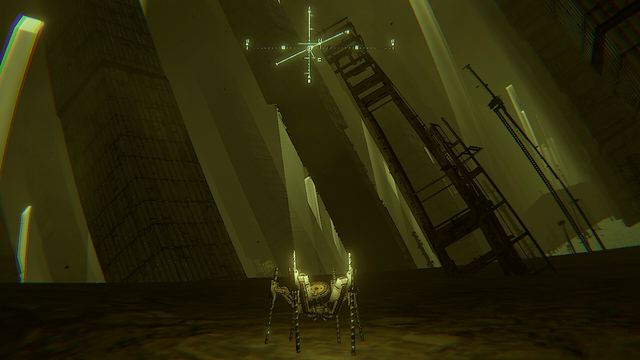
The launch build's patch notes describe improved "audio integration with the spider damage system," and that phrasing tells you how to play around spiders: they are a sound puzzle more than a fight. A walking simulator with no combat does not hand you a hit-scan — it hands you cues.
- Play with headphones if you can. Audio is not decoration here; it is one of the systems that does damage maths.
- When the mix changes around you, stop moving and let the sound resolve before choosing a direction.
- You do not beat a spider. You re-route around it, or you back out of the room the way you came.
Dust Devils, cognitive damage, and things that only scare you
Three hazard families sit on top of the Sun, all touched by the September 22 pre-launch patch:
- Environmental: Dust Devils, whose behaviour and threat profile were tuned approaching launch. Expect them in anything the wind can own — streets, gaps, exposed ridges.
- Cognitive: the "cognitive damage" effect — a hazard the devs keep refining, aimed at the theme in the teaser line "I am the world's ear." Some environments press on the mind, not the body. When a scene starts pressing, leave it.
- Scripted scares: the patch note "added new objects to scare unsuspecting players" is exactly what it sounds like. Not everything that looks wrong is a threat — and the game is comfortable letting you jump at things that are only, deliberately, atmosphere.
Radio markers are your memory
The pre-launch build made a small change with large consequences: radio markers are now saved. The wasteland is big, the cities repeat their textures, and your mental map will fail at least once. So mark boldly:
- Drop a marker at every junction, tower base and entrance you intend to revisit.
- Mark off-path discoveries you cannot carry yet instead of promising to remember them.
- Check the marker list before pushing into a new district — half of navigation is knowing where you came from.
Explore like the developer intends
Asked directly whether the game demands a completionist sweep, the developer answered: "Exploration is a part of the game, but searching every inch of the map isn't required to progress. There are some things to discover off the main path, though." Read that as a licence: the critical path is survivable, the detours are the good stuff, and no one is forcing you to check under every stairwell — but the people who do find the files.
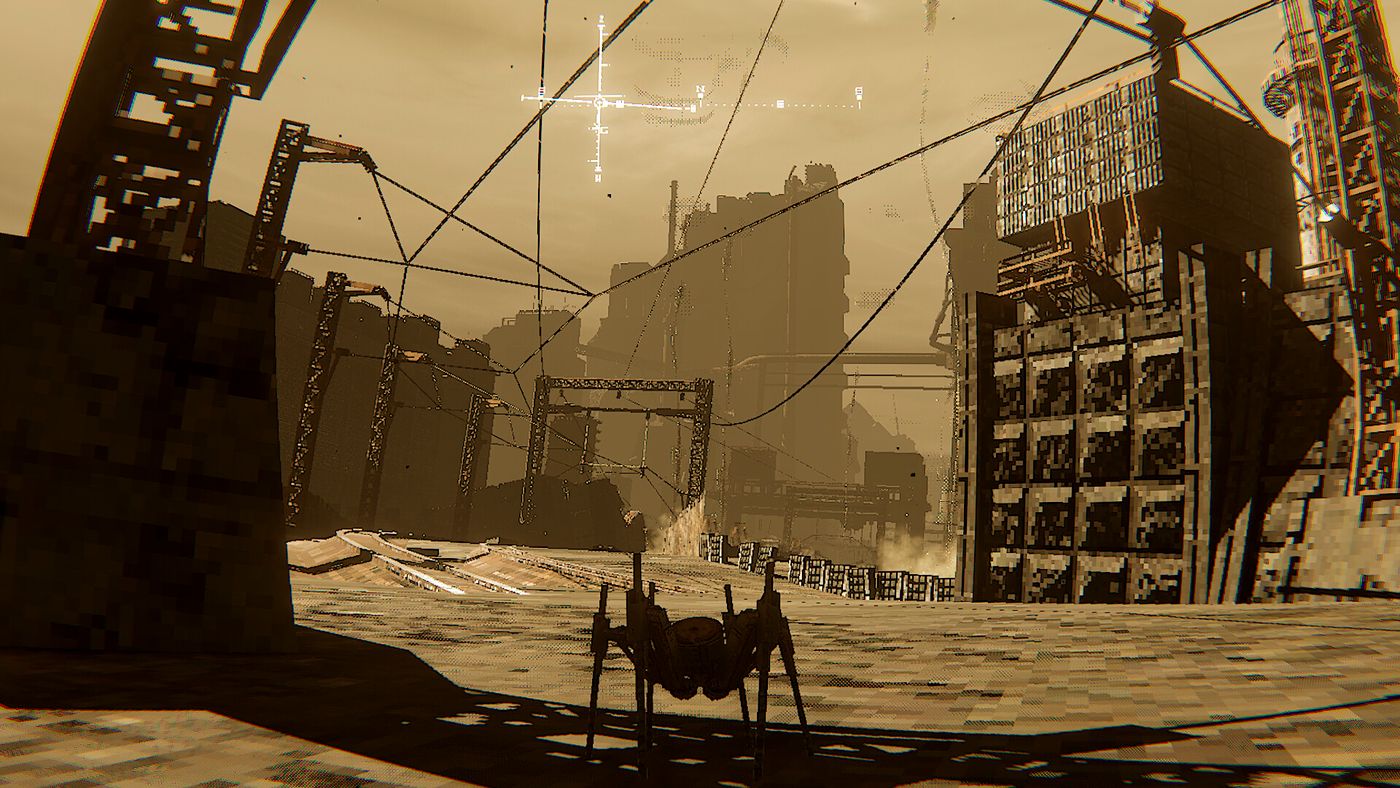
Off-path routes and interior corridors are where the game hides its best material.
If you get stuck
The launch build fixed multiple spots where players could wedge themselves into geometry, and closed most of the gaps that let you leave the map — but this is still an open world built on climbable geometry. If you find a live stuck spot anyway: look for the surface the shapes are quietly telling you to climb, and if that fails, reload from your last radio marker rather than fighting the collision.
First-hour checklist
- Read the new tutorial text carefully — it was rewritten days before launch for a reason.
- Fix your brightness and audio settings before the first real zone.
- Cross your first open plaza using shade only; learn the rhythm early.
- Drop radio markers at the first three-junction you find, and keep doing it.
- Follow a side path the moment it interests you — the main path waits, and the files do not.
When you have your bearings, the story and world page explains what you are actually walking through, and the release FAQ keeps track of the launch itself.